
It usually starts small. More hair than expected in the shower drain on an otherwise unremarkable morning. A part that’s just slightly wider than it used to be, noticeable mainly in certain bathroom lighting. A hairline that’s shifted in a way only you would recognize, since you’re the only one who remembers exactly where it used to sit. For a lot of our Brandon clients, hair thinning is one of those things that gets quietly noticed for months, sometimes years, before anyone actually says anything out loud about it, let alone takes a concrete step to address it.
Part of the hesitation is understandable, and we hear the reasoning behind it constantly during consultations. The options people picture when they think about hair thinning are usually extreme on either end: a daily topical product with mixed, slow, and often disappointing results, or surgery that feels like a much bigger step than the current problem actually warrants. What a lot of people don’t realize, simply because it hasn’t been marketed as widely, is that there’s a genuinely effective option sitting in the middle of those two extremes — one that works with your body’s own healing process rather than masking the issue temporarily or requiring a major procedure with significant downtime.
What PRP Hair Restoration Actually Involves
PRP stands for platelet-rich plasma, and the science behind it isn’t new or unproven in any meaningful sense — it’s been used in medicine for years to accelerate healing in everything from sports injuries to post-surgical recovery to skin rejuvenation treatments. Applying that same underlying principle to hair thinning has shown real, measurable promise for both men and women, particularly in the earlier-to-moderate stages of hair loss where follicles are weakened but not yet completely dormant.
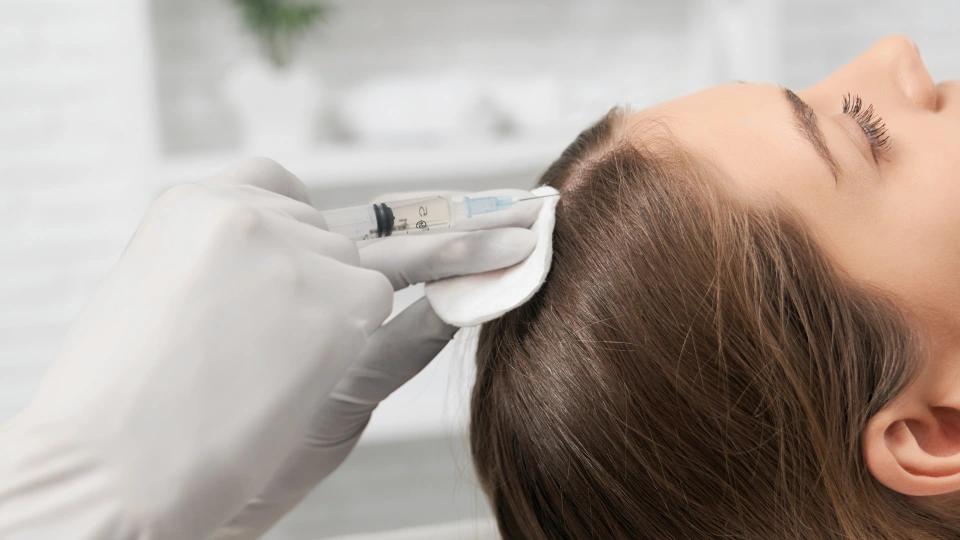
The process starts with a simple blood draw, similar to standard lab work you’d have done at any doctor’s office. That blood then gets processed in a centrifuge, which separates and concentrates the platelet-rich plasma from the rest of the blood’s components. Platelets are rich in growth factors that play a genuinely important role in tissue repair throughout the body, and when that concentrated plasma is injected directly into the scalp at the level of the hair follicles, it can help stimulate follicles that have gone dormant, improve blood flow to the treated area, and support thicker, healthier hair growth over the following months.
Who This Actually Works For
PRP tends to be most effective for people still in the earlier-to-moderate stages of thinning, where follicles are present and at least somewhat active, even if they’ve become smaller or less productive over time — rather than areas that have been completely bald for an extended period with no remaining follicle activity whatsoever to stimulate. This treatment applies to both men and women, and it covers a meaningful range of underlying causes, including androgenetic alopecia, which is the most common hereditary pattern of hair thinning affecting people of both sexes as they get older.
During a consultation, we’ll take an honest, hands-on look at your specific scalp and your particular pattern of thinning before recommending anything specific. If PRP genuinely isn’t likely to produce meaningful results for your particular situation, given how advanced the thinning has become, we’ll say so directly during that conversation rather than selling a treatment that’s unlikely to deliver the outcome you’re hoping for.
A Realistic Timeline for Results
Most treatment plans start with an initial series of sessions, often spaced four to six weeks apart, designed to build momentum in stimulating follicle activity before transitioning to periodic maintenance sessions that sustain whatever progress has been made. Hair growth is naturally a gradual biological process regardless of what treatment is being used to support it, so most clients begin noticing visible changes in thickness and density somewhere between three and six months into treatment, not within the first few weeks the way some advertising for other products might suggest. We monitor your progress along the way during follow-up visits and adjust the plan as needed based on how your scalp is actually responding to treatment.
Why Brandon Men in Particular Are Asking About This
We’ve noticed a real, steady uptick in male clients from Crossgates and Castlewoods specifically asking about PRP in recent consultations, often after noticing that a colleague, friend, or family member had quietly addressed the same concern with visible success. There’s considerably less stigma around hair restoration treatment than there used to be even five or ten years ago, and once people understand it’s their own blood doing the actual work rather than a synthetic product or drug with broader side effects, the hesitation that initially brought them in tends to fade pretty quickly during that first conversation.
A lot of these men are in their late 30s through 50s, often the same demographic dealing with other concerns we treat regularly, like declining testosterone or early metabolic changes. It’s common for a PRP consultation to lead into a broader conversation about overall wellness, since hair thinning and hormonal shifts frequently show up around the same stage of life and sometimes share underlying contributing factors worth investigating together.
How PRP Compares to Other Hair Restoration Options
For clients who’ve researched their options before coming in, questions about how PRP compares to other treatments come up often. Topical products like minoxidil require daily, ongoing application indefinitely, and results tend to reverse fairly quickly once someone stops using the product consistently. Hair transplant surgery is a considerably more invasive, surgical approach generally reserved for more advanced stages of hair loss where follicle activity has been lost in a more permanent way. PRP sits meaningfully in between those two options — non-surgical, working with the body’s own healing mechanisms, and a reasonable step to explore before considering something more invasive, particularly for men and women still in the earlier stages of noticing change.
Combining PRP With Other Wellness Services
A number of our Brandon clients pursuing PRP hair restoration are also working with us on other aspects of their overall health, and we’ve found that addressing things together often produces better results than treating hair thinning as a completely isolated concern. Vitamin injections, particularly B12 and D3, support overall cellular health and energy in ways that can complement the hair restoration process, even though they’re not a direct treatment for thinning on their own. For men also dealing with symptoms of declining testosterone, hormone optimization addressing the underlying imbalance sometimes provides additional benefit alongside PRP, since certain hormonal shifts can contribute to hair thinning patterns in the first place.
We don’t push these additional services onto every PRP client by any means, but we do think it’s worth mentioning during your consultation if your labs or symptoms suggest there might be a broader picture worth investigating beyond just the hair itself. A thorough conversation about your overall health history is part of every first visit regardless of which specific service brought you in the door.
What to Expect During Your First Treatment
The treatment itself involves a series of small injections across the areas of the scalp experiencing thinning, performed after a topical numbing agent has been applied to keep the experience as comfortable as possible. Most clients describe the sensation as similar to typical injectable treatments elsewhere in the body — a series of small pinches rather than significant, lasting pain. Any soreness afterward is usually mild and resolves within a day or two without requiring any real downtime or disruption to normal activities.
Glo Medical Aesthetics & Wellness is at 320 Belle Meade Point, Suite C in Flowood, just minutes from most of Brandon. We’re open Monday through Friday, 8:30 AM to 5:00 PM, and closed on weekends. Call 769-267-5586 or schedule your hair restoration consultation at glo-medaesthetics.com, and we’ll give you an honest assessment of whether PRP is likely to work well for your specific situation.